

About the Kiwi:
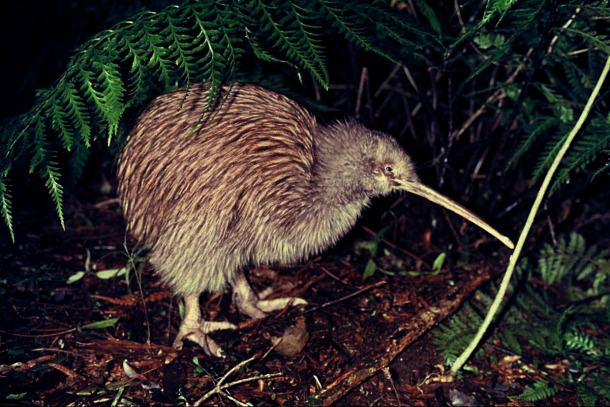
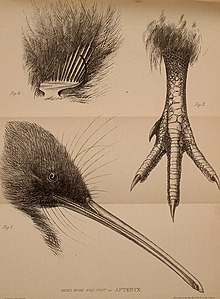
The Kiwi, a beloved species of flightless birds found in New Zealand, is a unique aviary species known for its nocturnal habits and shy demeanor. This flightless bird is iconic for its small size, roughly that of a domestic chicken, yet it possesses a surprisingly long, slender bill. One of the Kiwi’s distinctive traits is its soft, brownish, hair-like feathers that resemble fur more than traditional bird plumage. These feathers, along with its small, beady eyes, contribute to its somewhat comical and endearing appearance. Their bills have nostrils at the end, unique amongst all other bird species, which holds a keen sense of smell. Because of this, kiwis have tremendously underdeveloped sense of sight, forcing them to rely upon their sharper senses.
Protection of the Kiwi:
Tragically, the kiwi faces significant threats, primarily from introduced predators such as rats, stoats, and domestic dogs, which prey upon both adults and eggs. Conservation efforts in New Zealand have focused on predator control initiatives, wildlife sanctuaries, and captive breeding programs to safeguard the remaining kiwi populations. Despite its challenges, the kiwi symbolizes the resilience of New Zealand’s unique wildlife and the ongoing commitment to conservation. Efforts to protect this extraordinary bird not only contribute to the preservation of a national icon but also underscore the importance of maintaining the delicate balance of ecosystems in the face of evolving environmental challenges.

Behaviors and Ecology of the Kiwi:
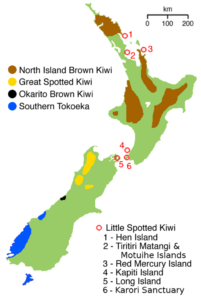
The kiwi prefers subtropical forests, however has been forced to adapt to alpine scrub and mountainous regions of New Zealand due to the presence of predators. Humans and domesticated dogs were introduced to the island in the 13th Century, and as such Kiwis have shifted to a nocturnal lifestyle. One of the most remarkable features of the kiwi is its keen sense of smell, which is crucial for its nocturnal lifestyle, aiding in the search for its preferred diet of insects, worms, and grubs in the forest undergrowth. The kiwi’s beak, while seemingly unwieldy, is an exquisite tool for probing the forest floor in its quest for sustenance. The diet of the Kiwi consists of invertebrates, seeds, grubs, and many varieties of worms although they have occasionally been observed eating fruit, small crayfish, eels and amphibians. Once bonded, a male and female kiwi tend to live their entire lives as a monogamous couple. During the mating season, June to March, the pair call to each other at night, and meet in the nesting burrow every three days. These relationships may last for up to 20 years. A kiwi egg weighs about one quarter the weight of the female, and are only laid once per season.
Interesting Facts about the Kiwi;
- Kiwis are the only bird to have nostrils located on they beak, and have the best sense of smell of any bird
- A Kiwi can live anywhere from 25 to 50 years!
- Kiwis hatch fully feathered and independent from their parents, and has the second largest egg to body size of any bird
- A Kiwi have been observed to dart across the forest floor around a maximum of 12 miles per hour
Kiwi on the move looking for grubs on the ground