

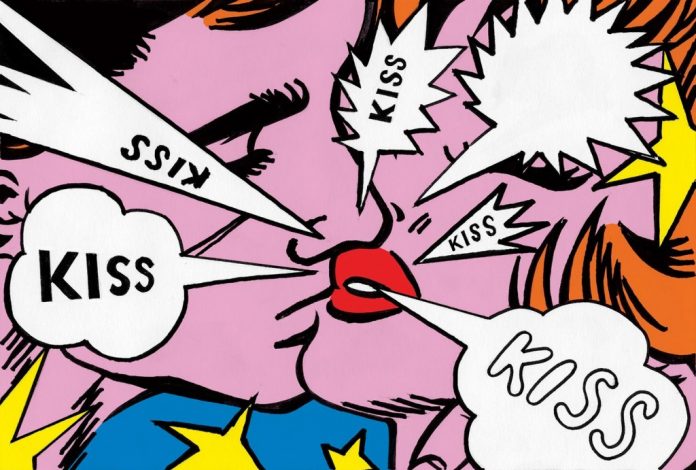
The Dallas Museum of Art is currently headlining two large art exhibits highlighting prevalent paintings, sculptures and artists from the mid 20th century: Jackson Pollock: Blind Spots and International Pop.
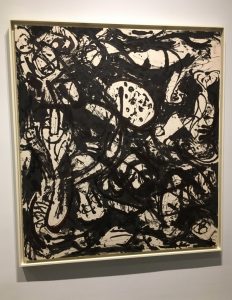
Jackson Pollock: Blind Spots is an exhibition that offers more insight on an understudied period of Pollock’s work. The exhibition focused primarily on his black paintings, a series of black enamel paintings that Jackson Pollock produced in the early 1950s. According to the museum, the collection comprising 31 of Pollock’s black paintings is the largest exhibition ever displayed at once in a single venue. Upon seeing these paintings for the first time, they looked like canvases with directionless black brush strokes and random paint splatters, but, looking more closely, the paintings had several hidden figures that came together to form a unified landscape. This is clearly seen in Pollock’s “Black & White Number 20,” as there is seemingly camouflaged imagery of what looks like an astronaut and the moon amidst a mess of black lines and smudges and other “hidden” images. With the black paintings, many other works of Pollock’s are displayed as well, including sculptures and many of Pollock’s recognizable drip paintings. Pollock is perhaps best known for his colorful drip paintings that have a very organized and attentive messiness that makes these works so fascinating. Popular culture has also recognized the messy nature of these drip paintings, as it is noted in the blockbuster film, Guardians of the Galaxy, by Peter Quill when he states that holding a blacklight to his ship would make it look like one of Pollock’s paintings.
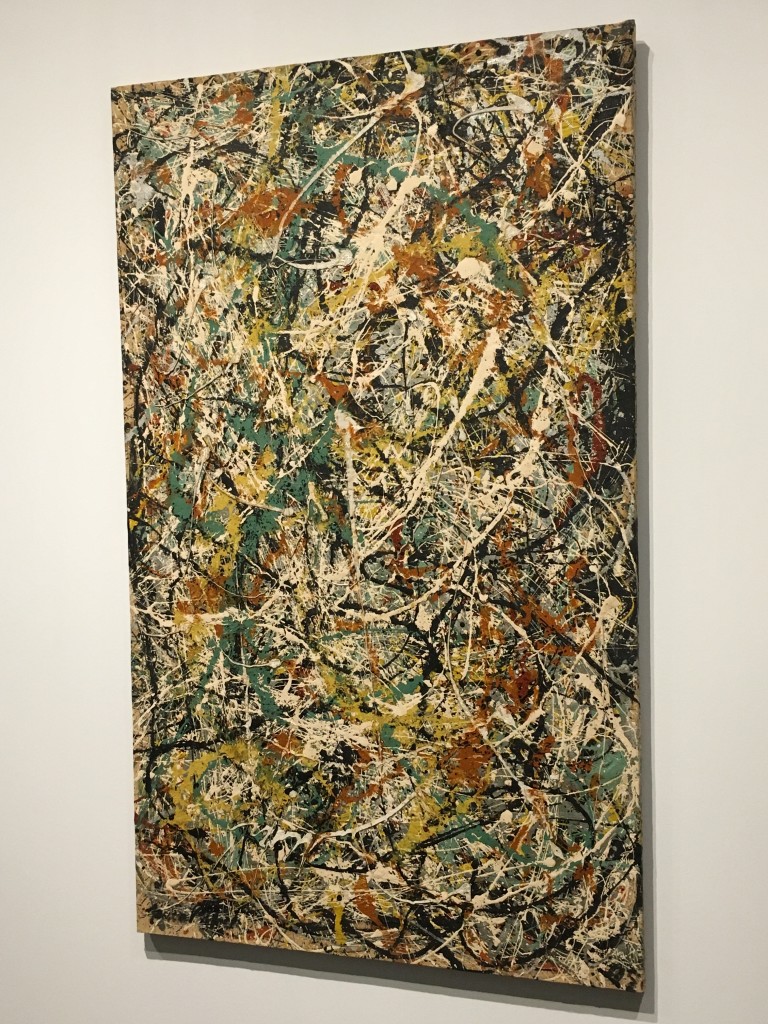
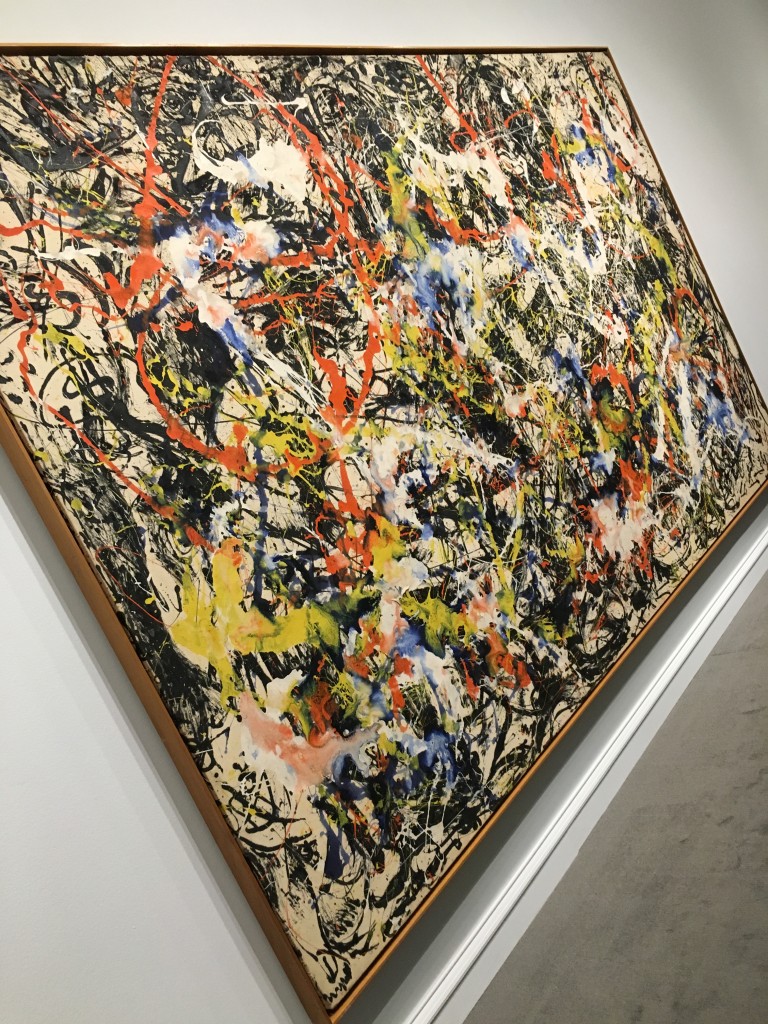
I found Pollock’s “Number 3” and “Convergence” most interesting due to the use of overlapping colors and the crowdedness of the lines though the sheer size of “Convergence” is what intrigued me most about that painting (hence the awkwardly angled picture). The exhibit has opened to very large crowds and many people from around the Dallas metroplex. Braeden Freitas ’16 said, “I found Jackson Pollock’s paintings particularly interesting because of the way he created them. The lines in the paintings seemed so random, but there was obviously lots of thought that Pollock put into each painting.” Kayci Bonilla, a senior at Plano Senior High School and an avid fan of the Dallas Museum of Art, said, “I thought the pollock exhibit was refreshing, almost like art in its most simplest yet stunning forms,” obviously noting the outwardly frivolous methods Pollock used to create his paintings. The way the exhibit is set up, all of Pollock’s paintings are dispersed randomly throughout a maze of rooms, displaying some of his most popular paintings from the height of his celebrity against some of his lesser known paintings, giving the viewer a deeper insight and appreciation into Pollock’s ambitions as an artist and his unconventional methods, befitting the exhibition’s name: Blind Spots.
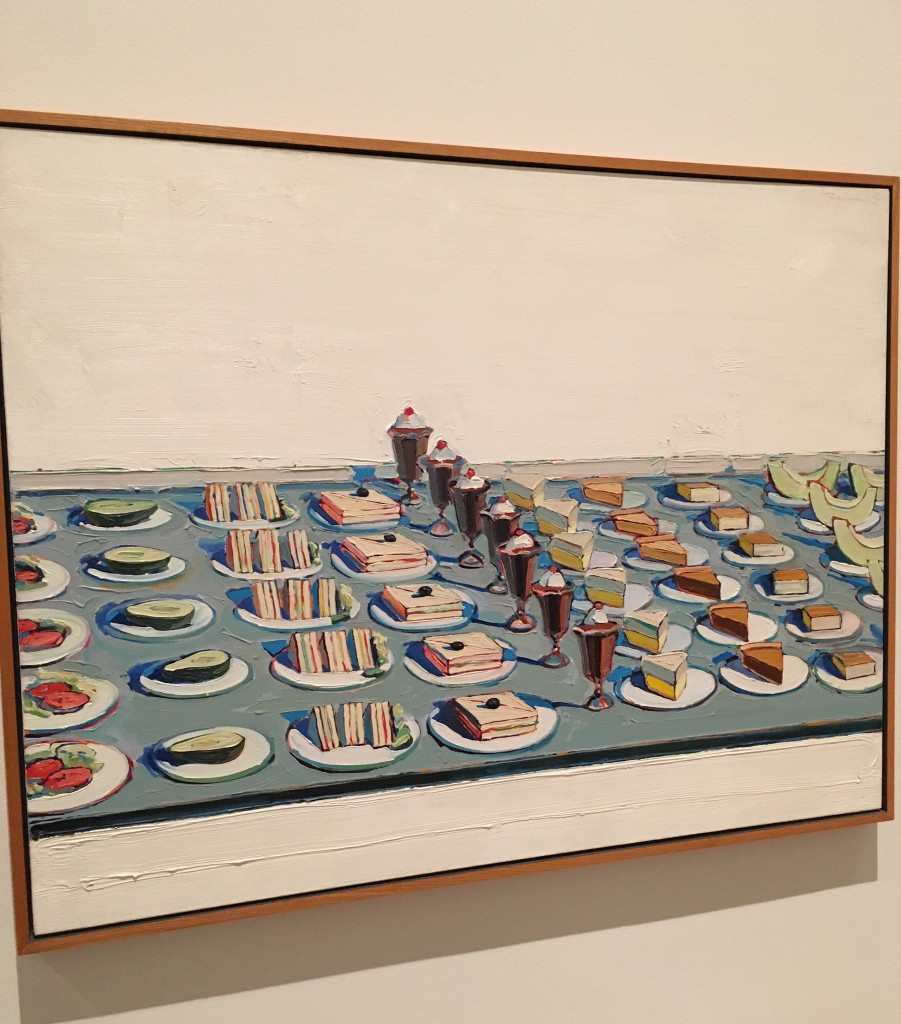
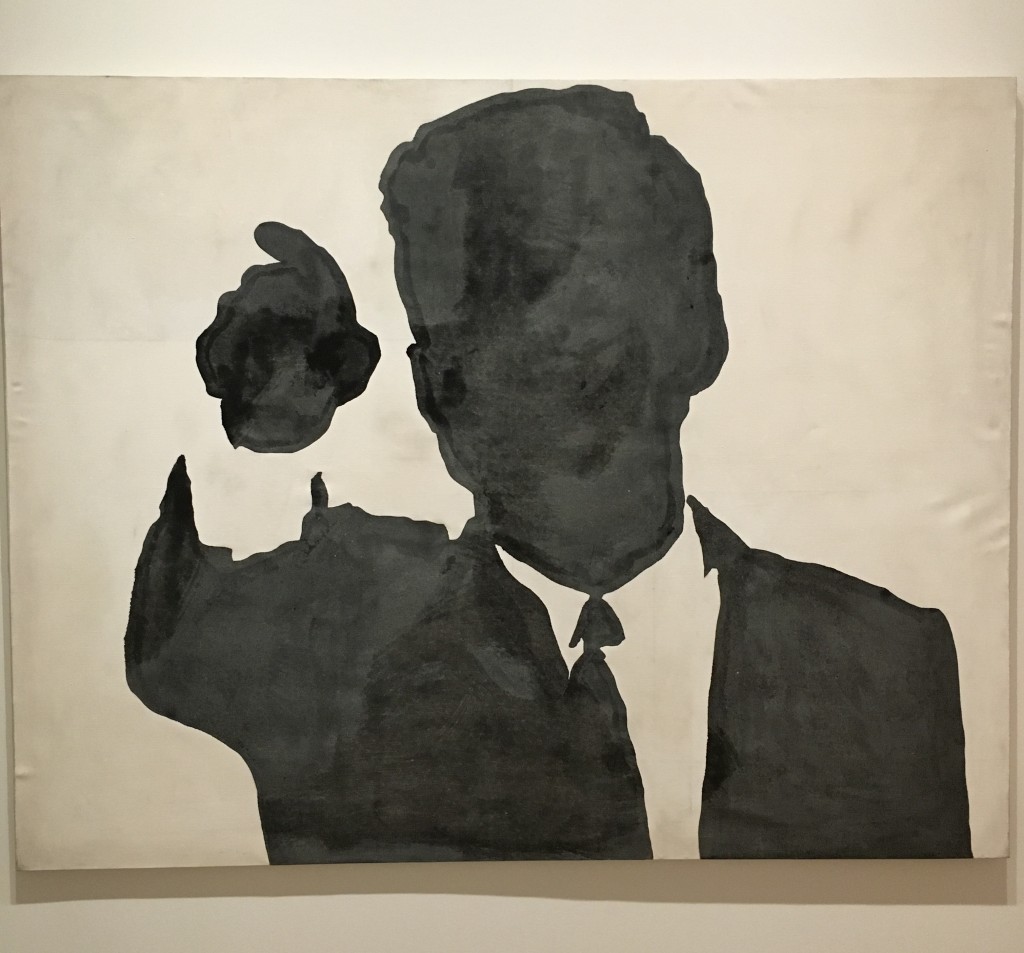
The DMA is also putting on an exhibition highlighting the popular art movement that spanned from the early 1950s to the late 1970s with internationally recognized artists such as Andy Warhol and Roy Lichtenstein at the forefront of the movement. With this, there are many familiar art pieces that are on display such as “Salad, Sandwiches, and Dessert” by Wayne Thiebaud. More than an art exhibit, International Pop is described by the museum as a historical survey that chronicles the development of pop art and its global emergence. As such, the museum has displayed over 120 works of art from the movement from all over the world, art by both the Andy Warhols of the pop art movement as well as the lesser known artists that contributed to this historic development in popular, artistic culture at the time. The museum separated each piece of art into sections organized by the arts’ country of origin and the several themes that emerged during the pop art movement, allowing for a good medium of comparison. Each room in the exhibition displayed different artwork with different methods and artistic convictions of the artist, truly showing the way the pop art movement evolved to fit the political and social undertakings of each country during mid 20th century. An example of the effect politics had on pop art is seen in “John Fitzgerald Kennedy” by Italian artist Sergio Lombardo.
Unlike the Jackson Pollock exhibit, the pop art exhibit was also much more interactive, with human-powered pieces and videos enabling museum-goers to have fun with a lot of the artwork. Freitas thoroughly enjoyed the exhibit, saying, “While the Jackson Pollock exhibit was interesting, the neighboring pop art exhibit was much more entertaining.” Bonilla also enjoyed the pop art exhibit, stating, “If anyone ever needed an artistic feel-good remedy, the pop art exhibit is the perfect dosage of intellect and entertainment for everyone to enjoy,” underscoring the lightheartedness and bright colors that are so often associated the pop art movement. Overall, International Pop offered a colorful and holistic overview of the pop art movement and the various ways it evolved in each country that adopted the unprecedented methods and subjects of the artwork, making for a thoroughly enjoyable and fun exhibit.
Both exhibitions, Jackson Pollock: Blind Spots and International Pop, are still open for everyone to see. International Pop will be open until January 17th and Jackson Pollock: Blind Spots will be open until March 20th. If you are interested in viewing these exhibits for yourself, take advantage of the student discount and present your Jesuit student ID at the front of the museum.