


At midnight on October 1st, 2025, the United States federal government shut down after lawmakers voted down a key funding bill that would allow it to continue running, a blow to the Trump administration’s ability to uphold democracy.
Cause of the Shutdown:
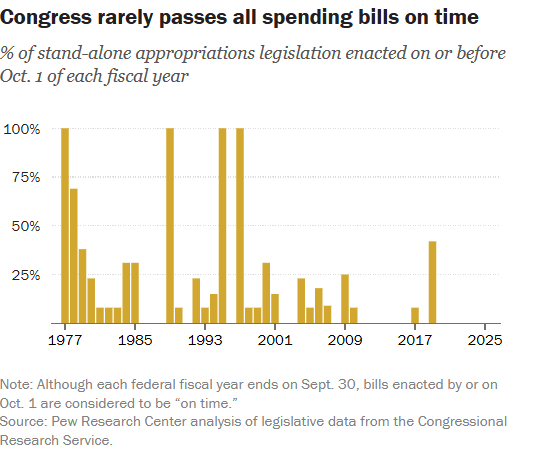
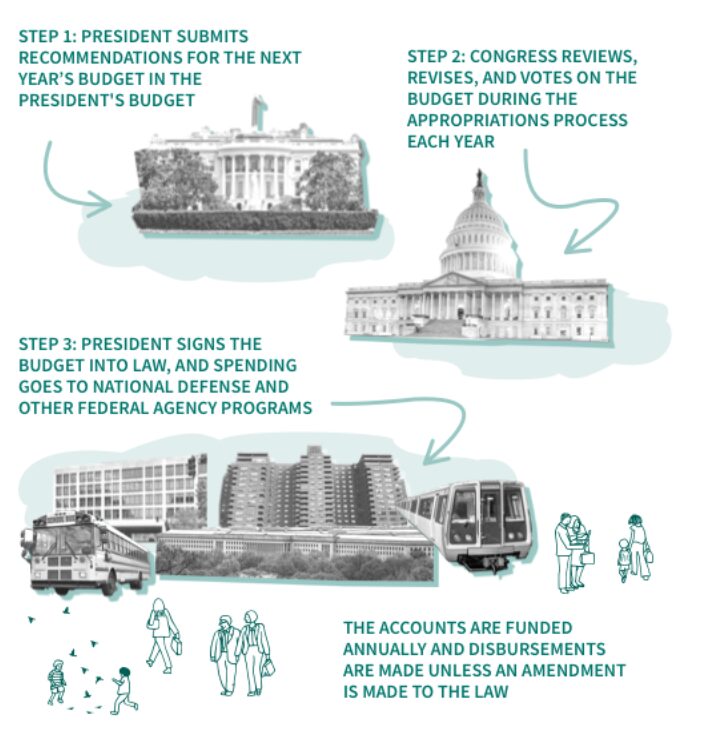
Congress passes the pieces of legislation that fund the government, which are called appropriations bills. Usually, this occurs annually, through 12 appropriations bills that allow for funding of key executive departments (ie. Department of State, Department of Energy, etc.) Typically, the president sends a draft of each of the bills in March, and then Congress debates the proposals and possible amendments. The timing requires that the government pass budget bills before midnight on September 30, as the fiscal year runs from October 1 to Sept 30. In most cases, lawmakers fail to come to a consensus on passing the bill, with this year’s dispute being over an extension of tax credits for the Affordable Care Act (ACA). In this case, they can combine the bills into what’s called an omnibus spending bill that increase or decreases funding for the next fiscal year. If they can’t come an agreement on even that, they then pass what are called continuing resolutions, which are a type of stopgap bill. Continuing resolutions fund the government at current levels for some period of time. Stopgap bills are any type of bill that fills in a gap for a loss of government funding. The point of the CR is to keep some funding while there are negotiations about an omnibus bill. If the CR fails to pass, and midnight on Sept. 30 comes and goes, it means that the government no longer has an operating budget, resulting in a shutdown.
Impact of the Shutdown:
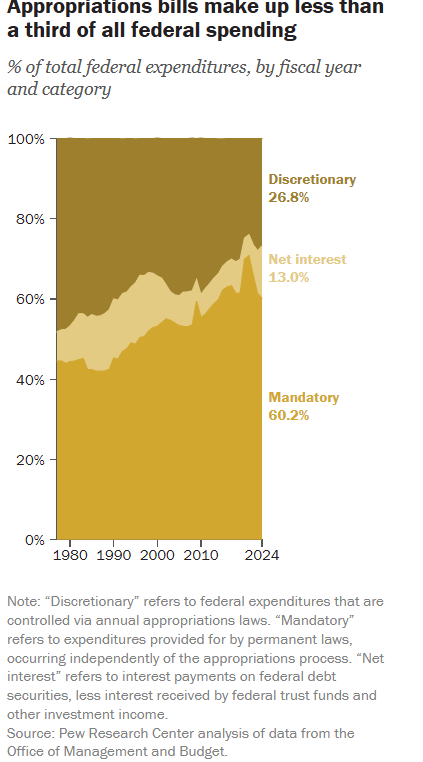
There are three main impacts of a government shutdown: furloughing of federal employees, diminished services offered by executive departments (other than Medicare and Social Security, which continue to flow since they don’t rely on appropriations to operate), and major cuts to veteran services.
1. Federal Employee Furloughs and Pay Withholding
As part of the US Government’s contingency plan during a shutdown, any workers who are deemed not to work for essential services key to the function of the nation, such as Congress, air traffic control, and law enforcement, are furloughed, and those who work for essential services can’t get paid until Congress takes action to end the shutdown.
2. Executive Department Services Halted
Departments like Social Security and Health and Human Services face the brunt of cuts and workforce cutbacks, with the Department of Health and Human Services furloughing 45% of its workers. Other executive departments also get their funding frozen for non-essential activities (like civil service operations).
3. Veteran Service Cuts
During a shutdown, all Veteran Benefits Administration calls and services cease to function, and VA services like career transitions, regional benefits, and call centers stop. However, medical services and appeal services still function.
What does Congress do now?
Trump has made numerous public statements on how the end of the shutdown will bring multiple positive outcomes and benefits to the US, and that the Republicans are currently “winning” to get the stopgap bill passed. However, Trump has threatened “retaliatory layoffs” in response to Democratic pressure to increase ACA (Affordable Care Act) subsidies in the stopgap bill to restore funding to the government, a massive shift from the norm of furloughs during a government shutdown. Unsurprisingly, Congress hasn’t made any meaningful progress to pass the bill despite Trump’s claims.
Stay tuned to The Roundup for more viewpoint articles!
